Should You Sell Your Lake Geneva Vacation Home Furnished?
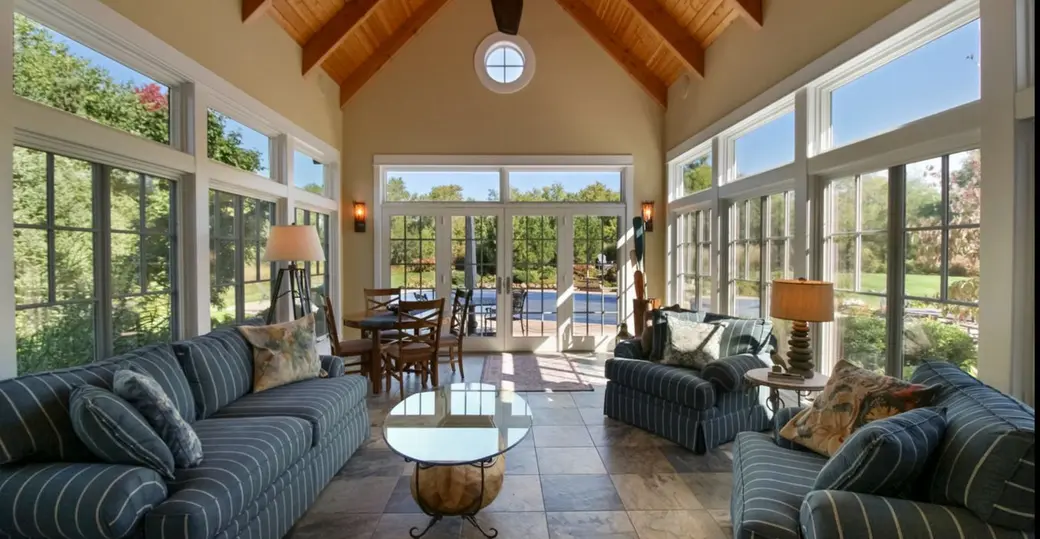
Quick answer: Selling furnished often makes sense for a Lake Geneva vacation home, because many second-home buyers want to arrive and start using the place immediately. But furniture is personal property, not real estate. It's conveyed by bill of sale, an appraiser generally won't count it toward value, and it can't be financed like the house. The right move is usually to market the home as turnkey while pricing the real estate on its own merits and treating the furnishings as a negotiating asset.
This question comes up on nearly every second-home sale around Geneva Lake. Here's how the decision actually works, and how to keep the furniture from complicating your closing.
Why turnkey appeals to second-home buyers
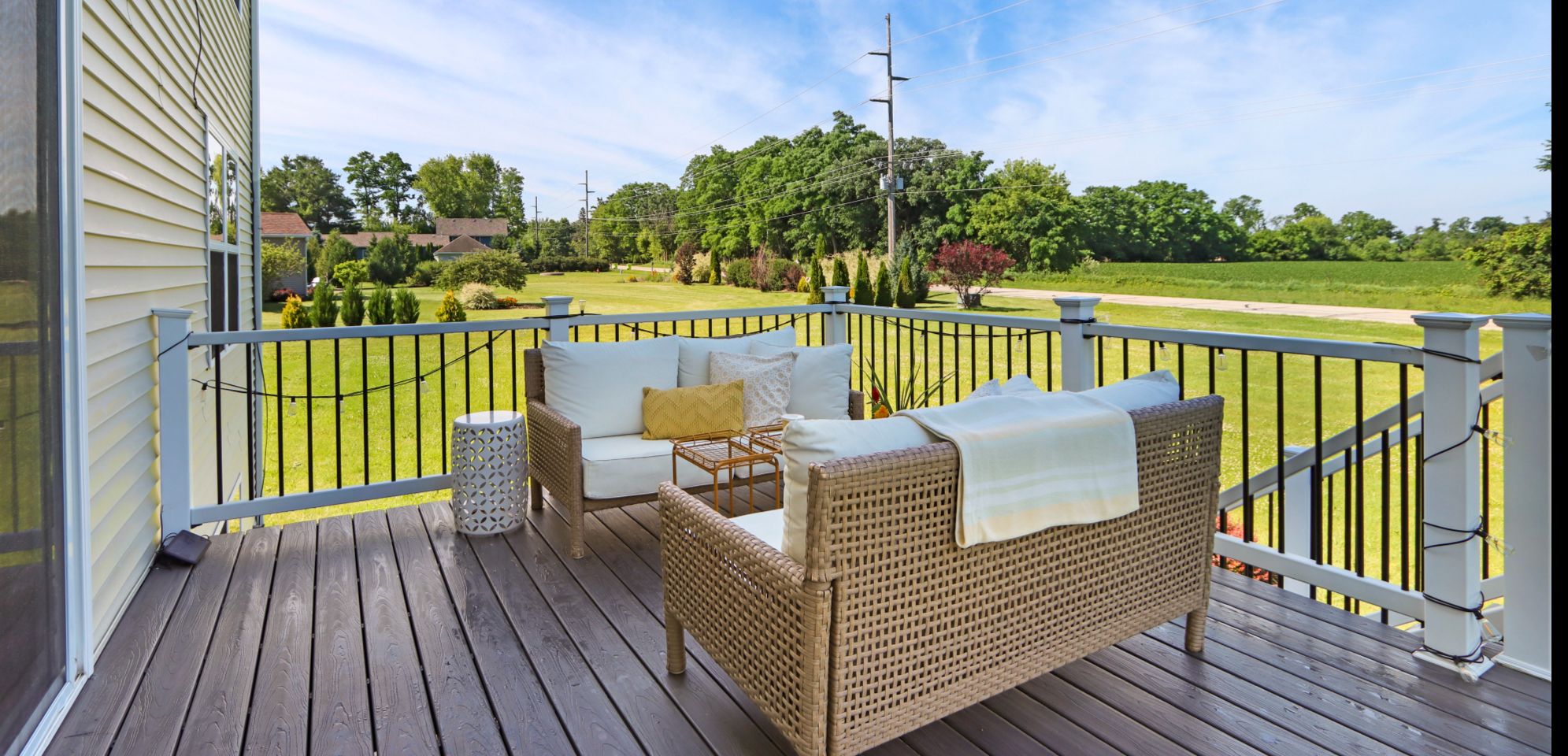
A vacation-home buyer isn't shopping the same way a primary-residence buyer is. They're buying weekends. Furnishing a lake house from scratch is a project, and many buyers would rather skip it and be on the water the first weekend they own it.
That's especially true for a buyer who plans to rent the property when they're not using it. A home that's already outfitted, down to the kitchenware and linens, can start earning much sooner. Rental rules vary by municipality and association and they change, so verify your property's current rules before you make any claim about rental use. Our covers the landscape, and the shows what these buyers are weighing.
Turnkey also widens your buyer pool, which matters in a market where buyers have choices.
The part most sellers get wrong: furniture isn't real estate
This is the distinction that prevents problems later.
Fixtures are part of the real estate. Things attached to the home, like built-ins and light fixtures, generally stay unless the offer excludes them.
Personal property is everything movable: furniture, rugs, electronics, kitchenware, patio sets, boats, and lifts. It's not part of the real estate. In a Wisconsin sale, personal property is identified in the offer and typically conveyed by a bill of sale at closing, usually free of liens and without warranty.
Three practical consequences follow from that:
-
Appraisers generally don't count furniture toward value. The lender is lending against the real estate. Loading the price with furniture value can create an appraisal gap that reopens the negotiation.
-
Buyers usually can't finance the furniture the way they finance the house.
-
The listing price should reflect the real estate. Furnishings are best used as a negotiating asset, not as a justification for a higher price.
Sellers who ignore this end up with a price that doesn't appraise and a deal that stalls. Sellers who understand it use the furniture to win the deal.
When selling furnished is the right call
Furnished tends to work well when:
-
The home is a second home or rental and the furniture was bought for the property, not for you
-
The furnishings suit the house, which is usually the case when they were chosen for a lake home
-
The buyer pool is out-of-area, and moving furniture north is a hassle they'd rather avoid
-
The property is rental-ready and the buyer wants to keep it that way
-
You don't want to move it, because the cost and time of hauling it out has real value to you
When to sell unfurnished
Unfurnished is often better when:
-
The furniture is dated or worn, in which case it can make the home show worse, not better
-
You want to keep it for your next place
-
Items are heirlooms or high-value pieces you're not willing to part with
-
The home would show better professionally staged, which is a different question from selling furnished. See .
Middle ground works too. You can sell partially furnished, keeping specific pieces and conveying the rest, as long as the offer spells out exactly what stays.
Build the inventory list before you list
Ambiguity about what stays is one of the most common sources of friction at the walk-through. Head it off with a written inventory.
-
List what's included, room by room, with enough detail to be unmistakable
-
List what's excluded, especially heirlooms, art, and anything you're taking
-
Note the condition of major items
-
Include outdoor and lake items if they convey: patio furniture, grills, kayaks, paddleboards, boat lifts, pier equipment
-
Photograph the items, so there's no dispute later
If a boat, lift, or pier equipment is part of the deal, be precise. Those items can carry titles, registrations, permits, or association rules of their own, which ties directly into .
How it shows up in the offer
The accepted offer, not the listing photos and not a conversation, controls what stays. Included personal property is written into the offer, and a bill of sale transfers it at closing.
The listing can note that the home is offered furnished, or furnished as negotiable. Either way, the details get nailed down in writing before you're under contract. Vague terms like "mostly furnished" invite arguments in the final week.
Price the real estate, then negotiate the furnishings
Start with a of the real estate. That's your price.
Then use the furnishings strategically. Turnkey can be the reason a buyer chooses your home over a comparable one, the sweetener that closes a small gap in negotiation, or a separately negotiated item. What it shouldn't be is a line item that pushes your list price past what the comps and the appraisal will support.
Prep the home either way
Furnished or not, the home needs to be clean, functional, and well presented. A second home that sat closed up over the winter usually needs a deep clean and a systems check before photos. See .
Time your showings around the season, too. Summer is peak activity at the lake, and the helps you plan around busy weekends when you're coordinating access from out of town.
A note on taxes
Selling personal property along with the home can raise tax questions, including how the sale price is allocated between the real estate and the furnishings, and how that interacts with basis or prior depreciation on a rental. We're licensed real estate agents, not tax advisers, so bring this to a CPA before you sign, especially if the property has been rented.
How Kim and Joel handle furnished sales
We tell you honestly whether your furnishings help or hurt the sale, build the inventory list before the listing goes live, price the real estate on its own merits, and use the turnkey angle where it actually wins the deal. Then we make sure the offer and bill of sale say exactly what conveys. Our full process is in , and the closing math is in .
Frequently asked questions
Should I sell my vacation home furnished?
Often yes, because many second-home buyers want a property they can use immediately, especially if they plan to rent it. It works best when the furnishings suit the house and are in good condition. If they're dated, worn, or personally valuable to you, selling unfurnished or partially furnished is usually the better call.
Does furniture add value to a home sale?
Not in the way sellers expect. Furniture is personal property, and an appraiser generally won't count it toward the value of the real estate. It can absolutely help you win a buyer or close a negotiating gap, but it shouldn't be used to justify a list price above what comparable sales support.
How is furniture handled in a Wisconsin home sale?
Included personal property is identified in the offer and typically transferred by a bill of sale at closing, usually free of liens and without warranty. Fixtures, which are attached to the home, are part of the real estate and generally stay unless the offer excludes them.
Do appraisers count furniture in the home's value?
Generally no. The lender is lending against the real estate, so an appraisal focuses on the property itself. That's why pricing the furniture into the list price can create an appraisal gap that reopens the negotiation.
What should be on my furniture inventory list?
Everything that conveys, listed room by room, plus everything excluded, especially heirlooms and art. Note the condition of major items, include outdoor and lake items like patio furniture, kayaks, and lifts if they convey, and photograph it all. Put it in writing before you're under contract.
Can I sell my home partially furnished?
Yes. Many lake-home sales convey some items and exclude others. The key is that the offer states exactly what stays and what goes, since vague terms like "mostly furnished" cause disputes at the final walk-through.
Get a turnkey pricing review
Selling a vacation home in Lake Geneva, Williams Bay, Fontana, Geneva National, Delavan, or anywhere in Walworth County?
Categories
- All Blogs (215)
- Burlington Buyers Guide (1)
- Burlington Relocation Guide (3)
- Burlington Sellers Guide (1)
- Delavan Buyers Guide (1)
- Delavan Lake Sellers Guide (1)
- Delavan Real Estate Market Update (1)
- Delavan Relocation Guide (1)
- Delavan Sellers Guide (1)
- East Troy Buyers Guide (1)
- East Troy Relocation Guide (1)
- Elkhorn Buyers Guide (1)
- Elkhorn Relocation Guide (1)
- Elkhorn Sellers Guide (1)
- Fontana (13)
- Fontana Buyers Guide (1)
- Fontana Sellers Guide (1)
- Fontana WI Relocation Guide (2)
- Geneva National (5)
- Lake Geneva (29)
- Lake Geneva & The Southern Lakes Market Report (2)
- Lake Geneva Area Homes (10)
- Lake Geneva Buyers Guide (9)
- Lake Geneva Real Estate Market Update (7)
- Lake Geneva Relocation Guide (3)
- Lake Geneva Sellers Guides (45)
- Lauderdale Lakes (2)
- Twin Lakes Buyers Guide (1)
- Twin Lakes Relocation Guide (3)
- Twin Lakes Sellers Guide (1)
- Walworth Buyers Guide (1)
- Walworth County Market Updates (6)
- Walworth County Seller Guides (6)
- Walworth Relocation Guide (3)
- Walworth Sellers Guide (1)
- Whats Happening at the Lake (30)
- Whitewater Buyers Guide (1)
- Whitewater Relocation Guide (3)
- Whitewater Sellers Guide (1)
- Williams Bay (9)
- Williams Bay Real Estate Market Update (1)
- Williams Bay Relocation Guide (3)
- Williams Bay Sellers Guide (3)
Recent Posts